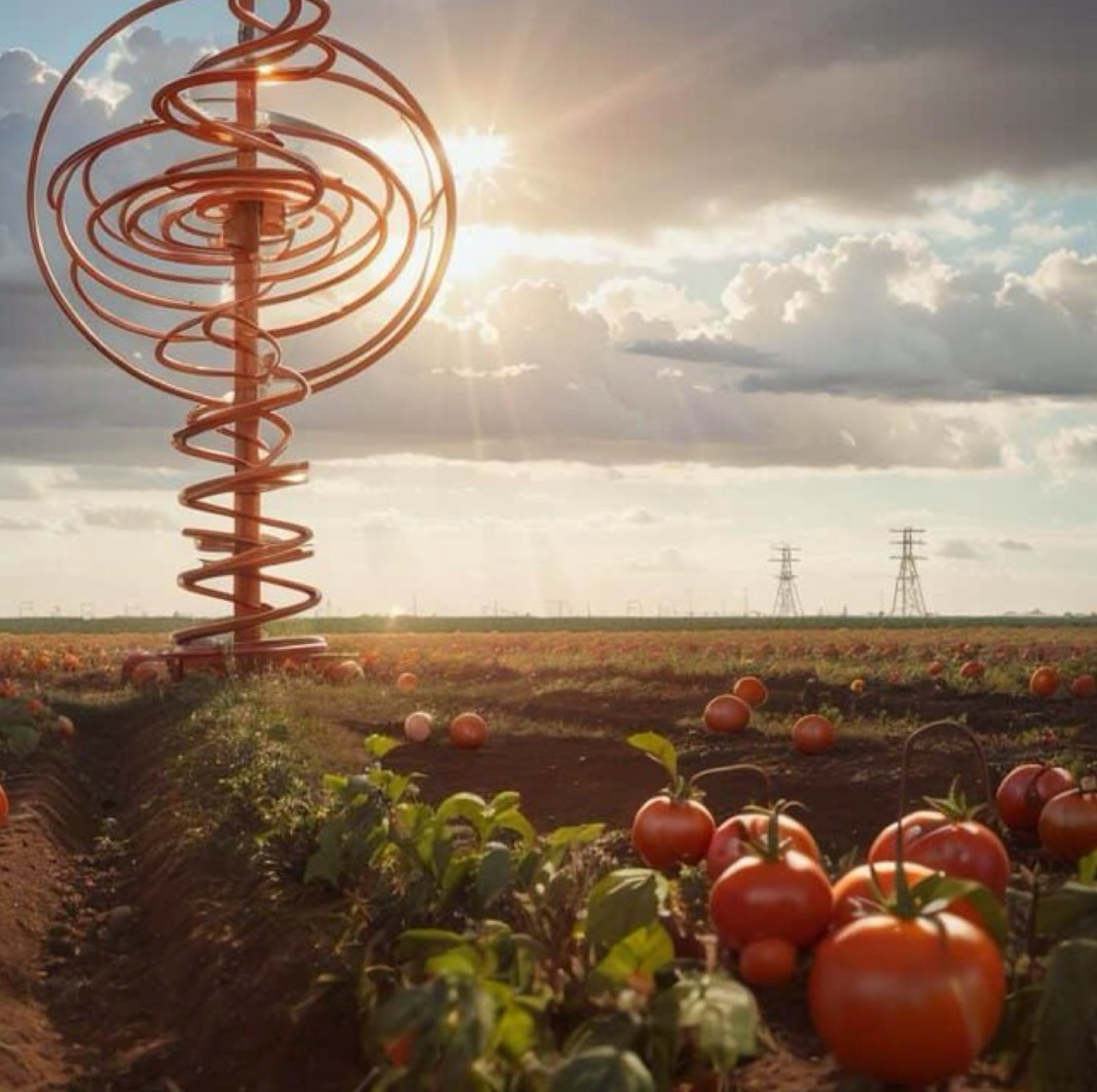
The continued use of synthetic fertilizers and pesticides has led to significant topsoil depletion, with estimates suggesting that we may only have 60 years of viable topsoil left if current rates of land degradation continue. This is a significant concern, as topsoil is a vital component of healthy agricultural systems. It is the layer of soil where plants grow and it contains the majority of the nutrients needed for healthy plant growth. When topsoil is depleted, it becomes more difficult to grow crops, leading to reduced yields and increased food insecurity.
In addition to topsoil depletion, synthetic fertilizers and pesticides have also been linked to the decline of pollinators and beneficial microorganisms, such as bees and soil bacteria. These organisms play critical roles in maintaining healthy ecosystems and supporting food production. For example, bees are responsible for pollinating approximately one-third of all crops, including many fruits and vegetables. Without bees, we would not be able to produce many of the foods we rely on.

One alternative approach to synthetic fertilizers and pesticides is regenerative agriculture, which is a holistic approach to farming that focuses on building healthy soil, increasing biodiversity, and supporting ecological systems. Regenerative agriculture practices can help to rebuild topsoil, reduce the need for synthetic inputs, and support pollinators and beneficial microorganisms. In addition, regenerative agriculture has been shown to increase yields and improve farm profitability.
Another important approach is to focus on reducing food waste, which is a major contributor to food insecurity and environmental degradation. Approximately one-third of all food produced for human consumption is lost or wasted, with significant economic, environmental, and social consequences. By reducing food waste, we can improve food security, reduce greenhouse gas emissions, and conserve natural resources.

In summary, the challenges facing the food system are significant and require innovative approaches and alternative science and knowledge to address them. Regenerative agriculture, reducing food waste, and focusing on local and regional food systems are just a few of the many approaches that can help to create a more sustainable and equitable food system that supports the needs of all people and the planet.
When the last tree is cut down, the last fish eaten and the last stream poisoned, we will realize that we cannot eat money.
– Proverb
The time is now to deploy alternative science and knowledge to harness the power of Nature and change the way we grow food.